
Dentures are removable appliances designed to replace missing teeth and the surrounding tissue. For many patients, they offer a practical, non-surgical path to restoring a functional bite and a fuller smile. If you are exploring dentures in Camp Verde, AZ, this guide will walk you through the types available, how they compare to other options, and what the process looks like from start to finish.
What Are Dentures?
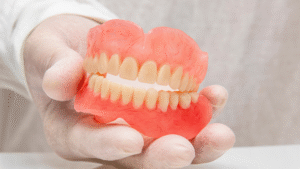
Dentures are custom-made oral appliances that sit on the gums and replace one, several, or all of your teeth. They are crafted from a combination of acrylic resin and, in some cases, metal frameworks. A dentist takes impressions of your mouth so that the appliance fits as closely to your gum contours as possible.
Modern dentures look far more natural than older generations of appliances. Teeth are shaped and shaded to blend with your facial features, and the gum-colored base is designed to mimic healthy soft tissue.
What Types of Dentures Are Available?
Not every patient needs the same solution. Dr. Edgardo Nicolas Timpanaro at Verde Smiles evaluates each patient individually to recommend the most appropriate type.
Full (Complete) Dentures
Full dentures replace an entire arch, either upper, lower, or both. They rest directly on the gums and are held in place by suction, the natural shape of the jaw, and sometimes a denture adhesive. They are typically recommended when all remaining teeth in an arch have been lost or need to be extracted.
Partial Dentures
Partial dentures in Camp Verde are an option when some healthy natural teeth remain. A partial denture fills the gaps left by missing teeth and attaches to the surrounding natural teeth with clasps or precision attachments. This approach also helps prevent the remaining teeth from shifting over time.
Immediate Dentures
Immediate dentures are placed the same day extractions are completed. They protect the gums during healing and mean you are never without teeth. Because gum tissue changes shape as it heals, immediate dentures typically require adjustments or a reline after a few months.
Implant-Supported Dentures
Implant-supported dentures attach to dental implants placed in the jawbone rather than resting solely on the gums. They offer greater stability and can reduce the bone loss that sometimes occurs after tooth extraction. This option combines elements of both denture and implant treatment.
Full Dentures vs. Dental Implants: How Do They Compare?
Patients often ask about the difference between full dentures and dental implants before making a decision. Both restore missing teeth, but they work differently and suit different circumstances.
- Surgery: Implants require a surgical procedure to place titanium posts in the jawbone. Traditional dentures do not involve surgery.
- Bone preservation: Implants stimulate the jawbone much like natural tooth roots do, which can slow the bone loss that typically follows tooth extraction. Conventional dentures rest on the gums and do not provide that same stimulation.
- Stability: Implants are fixed in place. Traditional dentures are removable and may shift during eating or speaking, especially as the jaw shape changes over time.
- Cost and timeline: Dentures generally involve a shorter treatment timeline and a lower upfront cost than implants, though long-term maintenance costs vary for each option.
- Candidacy: Not every patient is a candidate for implants. Factors such as jawbone density, overall health, and certain medications can affect eligibility.
The right choice depends on your health history, bone structure, budget, and personal priorities. A consultation with Dr. Timpanaro is the most reliable way to understand which path fits your situation.
Who Is a Good Candidate for Dentures?
Dentures are often a good fit for patients who have lost most or all of their teeth due to decay, gum disease, or injury. They are also worth considering when the remaining teeth are too compromised to save. Patients who are not candidates for implant surgery due to health factors or insufficient bone volume frequently find dentures to be a workable, long-term solution.
If you still have teeth that can be preserved, your dentist may first recommend treatments such as root canal therapy or dental crowns to extend the life of those teeth before discussing tooth replacement options in Camp Verde, AZ.
What Does the Denture Process Look Like?
Getting dentures typically unfolds over several appointments spread across a few weeks, though timing varies by case.
- Initial exam and treatment planning: Your dentist evaluates your oral health, takes X-rays, and discusses your goals. Any necessary extractions or preparatory work are planned at this stage.
- Impressions and measurements: Detailed impressions of your gums and any remaining teeth are taken. These are sent to a dental laboratory where your custom appliance is fabricated.
- Try-in appointment: A wax or trial version of the denture is placed so the dentist can check the fit, bite, and appearance before the final appliance is made.
- Delivery and adjustments: Once the final denture is ready, your dentist seats it and makes any necessary adjustments. Follow-up visits are common in the first weeks as you adapt.
How Do You Care for Dentures?
Proper daily care helps dentures last as long as possible and keeps your mouth healthy.
- Remove and rinse your dentures after eating.
- Brush the appliance with a soft-bristle denture brush and a non-abrasive cleaner every day.
- Soak dentures overnight in water or a denture solution to keep them from drying out and warping.
- Brush your gums, tongue, and the roof of your mouth each morning before inserting your dentures.
- Handle dentures over a folded towel or a basin of water to reduce the risk of cracking them if dropped.
Even with dentures, routine dental visits remain important. Your dentist can check the fit, examine your gum tissue, and screen for any oral health concerns. Verde Smiles offers dental cleanings and exams for patients at every stage of their oral health journey.
What Should You Expect During the Adjustment Period?
New dentures almost always feel unfamiliar at first. Increased saliva flow, mild soreness, and some difficulty with speech or chewing are normal in the early weeks. Most patients find these issues improve steadily as the muscles of the lips, cheeks, and tongue adapt to the appliance.
If soreness persists or the fit feels wrong, schedule an adjustment appointment rather than trying to modify the denture yourself. Alterations made at home can damage the appliance and affect how it fits.
Ready to Explore Your Options in Camp Verde?
Tooth loss affects more than appearance. It can make eating and speaking harder and, over time, cause the jawbone and facial structure to change. Dentures are one of several paths to addressing those changes. Whether you are considering full dentures, partial dentures, or want to compare dentures to implants, a personalized evaluation is the right starting point.
Dr. Edgardo Nicolas Timpanaro and the team at Verde Smiles welcome patients from Camp Verde and the surrounding Verde Valley area. Contact Verde Smiles to schedule a consultation and find out which tooth replacement option fits your needs.
Frequently Asked Questions About Dentures
How long do dentures typically last?
With consistent care, dentures can last many years. Over time, the shape of your jaw and gums changes, which can affect the fit. Most patients need their dentures relined, rebased, or remade periodically. Your dentist will monitor the fit at routine visits and advise you when adjustments are needed.
Can I sleep with my dentures in?
Most dentists recommend removing dentures at night. Sleeping without them gives your gum tissue time to rest and recover from the pressure of the appliance during the day. It also allows you to soak the dentures, which helps maintain their shape.
Will dentures affect the way I speak?
Some patients notice changes in speech, particularly with certain sounds, when they first receive dentures. Practicing out loud, reading aloud, or repeating challenging words can speed up adaptation. If speech difficulties persist beyond the first few weeks, a fit adjustment may help.
Are partial dentures different from a dental bridge?
Yes. Partial dentures are removable and can replace multiple teeth across the arch. A dental bridge is a fixed restoration that spans a gap by anchoring to the adjacent natural teeth. Both are viable options depending on how many teeth are missing, where they are located, and the condition of the surrounding teeth. Your dentist can explain which option suits your specific situation.
What if my denture breaks or fits poorly?
Do not attempt to repair a broken denture with household adhesives, as this can cause damage that makes professional repair more difficult. Contact your dentist as soon as possible. If you experience sudden pain or a dental emergency related to your dentures, Verde Smiles offers emergency dentistry and same-day appointments for urgent situations.