
A dental crown typically feels slightly different from your natural tooth at first, but most patients adjust within a few days to a couple of weeks. Mild sensitivity and a sense of pressure around the tooth are common early on, and both usually settle down as your mouth adapts to the new restoration.
If you are considering dental crowns in Camp Verde, AZ, knowing what the process involves can help you feel prepared and confident going in. Dr. Edgardo Nicolas Timpanaro at Verde Smiles works with patients to make sure every crown fits properly and that recovery goes as smoothly as possible.
What Does the Crown Procedure Actually Involve?
Most dental crown placements happen across two appointments, though the specifics depend on your situation. Understanding each step makes the experience far less intimidating.
The First Appointment: Preparation
During the first visit, the dentist numbs the area around the tooth with local anesthetic. Then the tooth is reshaped slightly so the crown can fit over it securely. You should not feel pain during this step, though you may sense pressure or vibration from the dental instruments.
Once the tooth is prepared, the dentist takes an impression or digital scan. That record goes to a dental lab where your permanent crown is custom-made. You leave the first appointment with a temporary crown protecting the tooth in the meantime.
How Long Does a Dental Crown Take?
The preparation appointment generally runs between 60 and 90 minutes. The lab typically needs one to two weeks to fabricate the permanent crown, after which you return for the second appointment. That final visit, where the permanent crown is cemented into place, usually takes 30 to 60 minutes.
Some practices offer same-day crowns using in-office milling technology, which compresses the whole process into a single visit. Ask Dr. Timpanaro whether that option applies to your case.
What Does a Dental Crown Feel Like Right After Placement?
Once the anesthetic wears off, the tooth and surrounding gum tissue may feel tender or sensitive. This is a normal response to the preparation process and the new restoration settling in. Most patients describe it as a dull soreness rather than sharp pain.
You may also notice that the crown feels slightly high when you bite down. This is one of the most common post-placement sensations and is easy to correct. Contact the office promptly if biting feels uneven, because leaving a crown that is too high can cause jaw discomfort over time. In some cases, bite issues that go unaddressed can contribute to TMJ-related symptoms, so it is worth getting it checked quickly.
Sensitivity to Hot and Cold
Temperature sensitivity is common in the days following crown placement, especially if the tooth still has a living nerve. Using a toothpaste formulated for sensitive teeth can help during this period. Sensitivity that persists beyond a few weeks, or that feels severe, is worth reporting to your dentist.
If your crown was placed after a root canal, sensitivity to temperature is typically much less of a concern, since the nerve has been removed.
What Does Dental Crown Recovery Look Like?
Recovery is generally straightforward for most patients. The first 24 to 48 hours tend to involve the most noticeable discomfort, and over-the-counter pain relievers are usually enough to manage it. After that, most people return to their normal routines without much interruption.
Foods to Avoid Early On
During the first few days, it helps to be thoughtful about what you eat. Some foods are worth avoiding temporarily:
- Sticky foods like caramel or chewy candy, which can pull at the crown
- Very hard foods like ice or hard nuts that place excessive force on the restoration
- Extremely hot or cold items if you are experiencing temperature sensitivity
Once any tenderness resolves, most patients return to eating normally. A well-fitted crown should not require permanent dietary restrictions.
Caring for Your Crown Long-Term
A crown does not require special maintenance beyond consistent oral hygiene. Brushing twice daily and flossing are still essential, and flossing around a crowned tooth is just as important as with natural teeth. The crown itself cannot develop a cavity, but the tooth structure underneath and the gumline around it still can.
Regular dental cleanings and exams allow your dentist to monitor the crown, check the margins, and catch any early issues before they become larger problems.
When Should You Call the Dentist After a Crown?
Most post-crown discomfort resolves on its own, but certain signs warrant a call to the practice. Reach out to Verde Smiles if you experience:
- Pain or sensitivity that gets worse rather than better after the first week
- A crown that feels noticeably loose or shifts when you bite
- Visible cracks, chips, or changes in how the crown looks
- Swelling or a persistent ache in the gum tissue around the tooth
- Any allergic reaction, such as unusual swelling or rash
If something feels wrong between scheduled appointments, same-day emergency appointments are available at Verde Smiles for patients in Camp Verde and the surrounding area.
How Will the Crown Feel Over Time?
For most patients, a crown starts to feel like a natural part of the mouth within a few weeks. The initial awareness of a “foreign” feeling fades as your tongue and bite adapt. A properly fitted crown should not interfere with speaking, chewing, or everyday comfort.
Crowns are designed to be durable and can last many years with proper care. Factors like oral hygiene habits, bite forces, and whether you grind your teeth at night all influence how well a crown holds up over time. Dr. Timpanaro can discuss whether a night guard or other protective measures make sense for your situation.
If you are weighing other restorative or cosmetic options alongside crowns, it may also be worth exploring dental veneers or dental implants, depending on what your tooth needs.
Frequently Asked Questions About Dental Crowns
Is getting a dental crown painful?
The procedure is performed under local anesthetic, so you should not feel pain during preparation or placement. Some tenderness and sensitivity in the days following the appointment is normal and typically manageable with over-the-counter medication.
How long does a dental crown take from start to finish?
The traditional two-appointment process takes one to two weeks from the first visit to final placement. The preparation appointment is usually the longer of the two, running roughly 60 to 90 minutes.
Will my crown look natural?
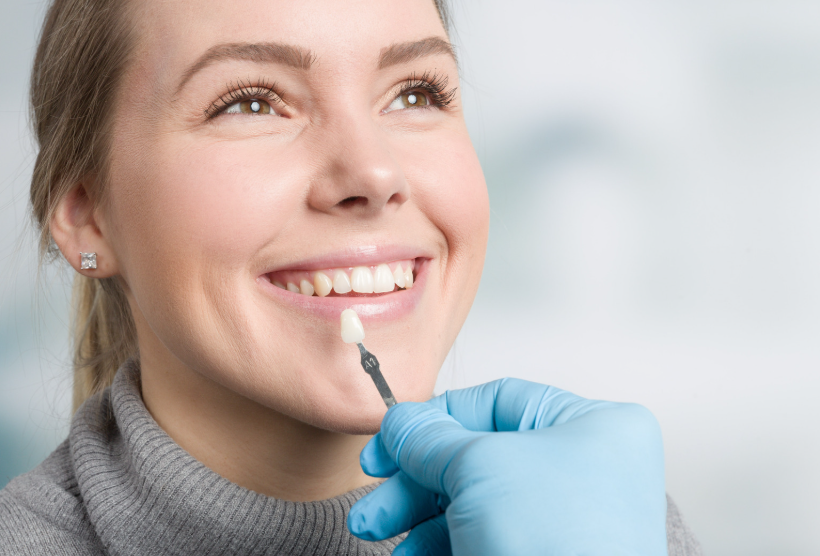
Tooth-colored crowns made from porcelain or ceramic materials are designed to blend with surrounding teeth. Your dentist matches the shade to your natural teeth so the crown does not stand out visually.
Can a crowned tooth still get a cavity?
The crown material itself cannot decay, but the tooth structure at the margin where the crown meets the gumline remains vulnerable. Consistent brushing, flossing, and regular checkups help protect that area.
What if my bite feels off after the crown is placed?
A bite that feels high or uneven after placement is common and easy to adjust. Contact Verde Smiles to schedule a quick bite check. Leaving it uncorrected can cause unnecessary jaw strain, so it is worth addressing sooner rather than later.